Mount Pleasant Heating & Air Conditioning · Heating
Furnace & Heating Repair in Mount Pleasant, SC
When the heat is out on a cold night, you need it fixed fast. We diagnose and repair furnaces and heating systems for Mount Pleasant homes and businesses — available 24/7 for heating emergencies.
Quick Answer
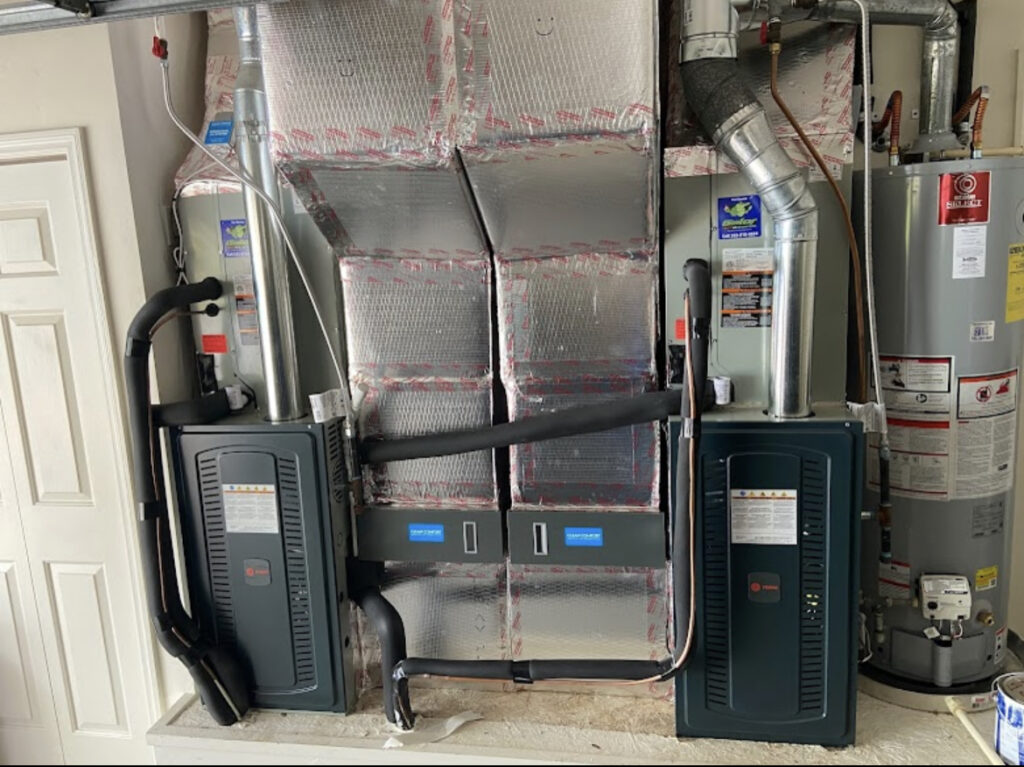
Heating and furnace repair covers the ignition, burners, blower, thermostat, gas supply, and safety controls that make a furnace produce heat. Common problems include a furnace that will not start, blows cold air, cycles too often, or makes unusual sounds. We find the cause, explain it, and give you the price before starting.
What We Do
Heating & Furnace Repair
A full range of heating & furnace repair services for homes and businesses in the Mount Pleasant area.
Furnace Repair
Diagnosing and repairing gas and electric furnaces that will not heat properly.
Ignition & Flame Sensor Repair
Fixing igniters, flame sensors, and thermocouples that stop the burner from firing.
Blower & Motor Repair
Repairing blower motors and belts that move warm air to your rooms.
Emergency Heating Repair
24/7 emergency service when the heat is out in cold weather.
Furnace Maintenance
Preventive service that helps keep the heating system reliable.
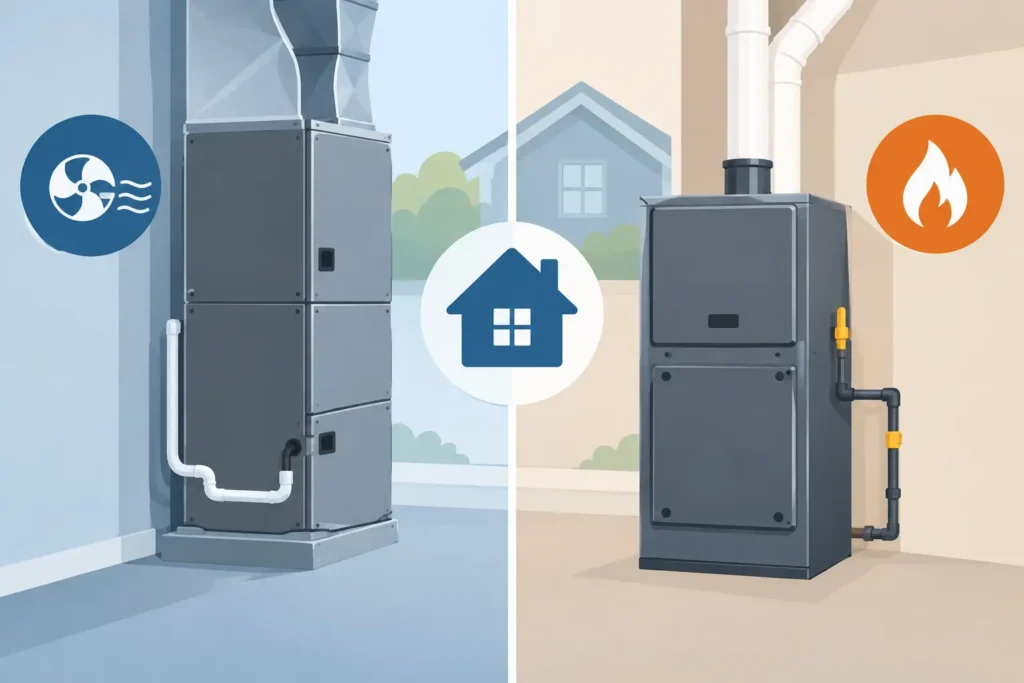
Gas or Electric?
Know Which Heating System You Have
Heating repairs depend on the type of system in your home. Here's how to tell them apart:
- Gas furnace: has a burner, a vent pipe to the outside and a gas line. You may hear the burners light a moment before warm air arrives.
- Electric furnace: uses heating elements instead of a flame and has no vent pipe or gas line.
- Heat pump with air handler: the outdoor unit runs in winter too, and backup heat strips in the air handler help on the coldest mornings.
- Dual fuel: a heat pump paired with a gas furnace that takes over when it gets very cold.
Many Lowcountry homes heat with a heat pump rather than a furnace. If you're not sure, read air handler vs. furnace or tell us what you see when you call.
Problems We Solve
Signs You May Need This Service
Plain-language descriptions of the situations homeowners bring to us most often.
Furnace Not Blowing Hot Air
The furnace runs but the air stays cold — usually ignition or airflow.
Furnace Not Turning On
No heat at all when the thermostat calls for it.
Weak Heat
The system runs but never warms the house.
Frequent Cycling
A furnace that turns on and off too often is working too hard.
High Heating Bills
A struggling heating system costs more to run than it should.
Reading the Symptoms
What Common Furnace Symptoms Usually Mean
These are the usual causes behind the signs above. A technician still has to confirm which one it is.
- Cool air from the vents. On a gas furnace the cause is often an ignition failure, a dirty flame sensor, a limit switch, the blower or the fuel supply. On an electric furnace it can be a failed heating element or electrical part. Heat pumps blow air that feels less hot than a gas furnace, which is normal. It’s a problem if the house won’t reach the set temperature or the air is truly cold.
- Turning on and off every few minutes. This is short cycling. A dirty filter or a thermostat setting can cause it, and so can overheating, poor airflow, a failing control board or a safety switch doing its job. Don’t keep resetting the furnace. That can hide the cause and make it worse.
- New noises. Rattling often means a loose panel, a duct problem or a blower part. Squealing points to a worn belt or motor bearing. Banging or booming from a gas furnace can be delayed ignition and should be checked quickly. Grinding can mean a motor or mechanical failure. Note when it happens (at startup, while the blower runs or at shutdown) and tell us.
- Some rooms cold, others warm. Possible causes include a clogged filter, closed or blocked vents, leaking ducts, a weak blower, thermostat placement or too little insulation. Sometimes the furnace is fine and the ducts are the problem, so a new furnace won’t always fix it. Keep supply vents open and don’t close off too many rooms.
- A higher heating bill for no clear reason. Dirty burners, restricted airflow, failing motors, duct leaks and thermostat problems all make a furnace run longer for the same heat.
- Smells and moisture. A burning smell can be dust or lint burning off, but it can also be a cracked heat exchanger, so don’t ignore one that lingers. A musty smell from the vents, or water near a high-efficiency furnace, can point to a clogged condensate drain or pump.
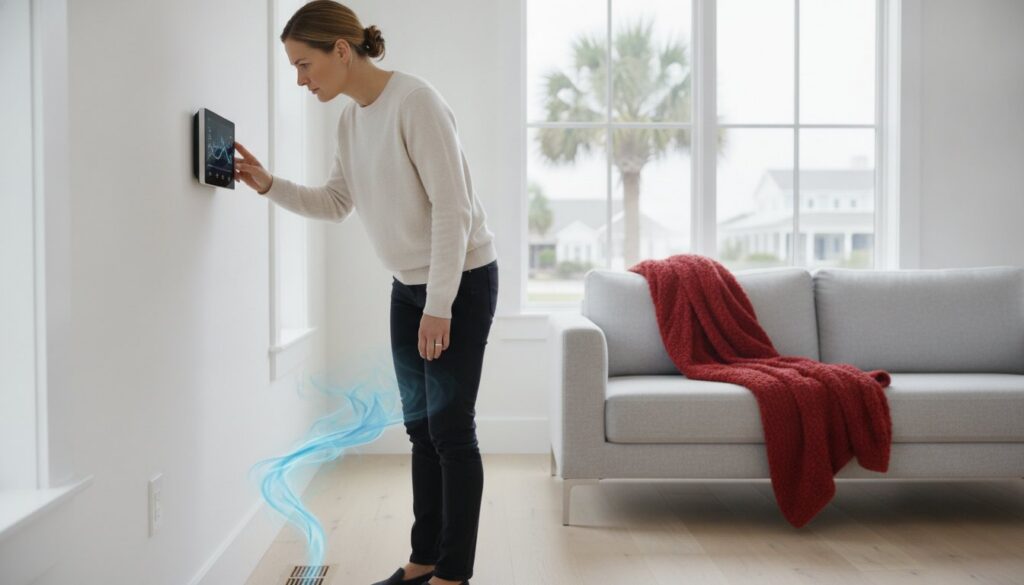
Before You Call
Quick Checks When the Heat Won't Come On
A few safe checks can sometimes restore heat, or at least tell us where to look:
- Set the thermostat to Heat and a few degrees above room temperature, and replace its batteries if the screen is dim.
- Check that the furnace's power switch, which looks like a light switch near the unit, is on.
- Make sure the furnace door is closed tightly. Many furnaces won't run with the panel loose.
- Replace a dirty filter. Restricted airflow can trip the high-limit switch and shut the burner off.
- Check the breaker for the furnace or air handler.
Don't try to relight a burner or bypass a switch. If those checks don't help, call us. Related: what common symptoms mean and furnace not blowing hot air.
Before we arrive: if the breaker trips again right after you reset it, leave it off and call. If the lights flicker or you smell burning plastic, keep the power off at the breaker. Clear a path of about three feet around the furnace so we can reach it, and write down when the problem started, any sounds or smells, and whether it happens all the time or only sometimes.
How It Works
How It Works
A clear process, so you know what to expect from the first call to the finished job.
Describe the Problem
Tell us what the furnace is doing, hearing, or smelling.
We Diagnose
We check the ignition, gas supply, blower, and safety controls to find the cause.
You Approve
We explain the repair and the price before any work begins.
We Fix & Test
We complete the repair and verify the furnace heats properly.
What to Expect
What a Furnace Repair Visit Should Include
A good repair visit does more than swap a part. It finds out why the part failed so the problem doesn’t return.
- Check how the furnace runs: the ignition sequence, safety controls, airflow, electrical connections, venting and thermostat communication.
- Test the blower motor’s electrical draw and the gas pressure at the valve when the symptoms call for it.
- Inspect the heat exchanger for cracks, and run a combustion analysis to confirm the burner works properly and no dangerous gases are escaping.
- Run the furnace through a full heating cycle after the repair to make sure everything works together.
For example, if a limit switch opened because of restricted airflow, replacing only the switch while leaving the dirty filter, blower problem or duct restriction means the next breakdown comes sooner.
Why Choose Us
Why Mount Pleasant Homeowners Call Us
24/7 Heating Emergencies
No heat is an emergency in cold weather — we answer day and night.
Licensed, Bonded & Insured
Proper credentials for every repair.
All Major Brands
We service most major furnace and heating makes and models.
Background-Checked Techs
Trained and screened before they enter your home.
Heating Safety
Carbon Monoxide and Gas Safety
A gas furnace that's working correctly is safe. One with a cracked heat exchanger, a blocked vent or a failing burner can put carbon monoxide into the home, which you can't see or smell.
- Install carbon monoxide alarms on every level and near sleeping areas, and test them monthly.
- If a CO alarm sounds, get everyone outside and call 911.
- If you smell gas, don't touch switches or the thermostat. Leave and call your gas utility from outside.
- Watch for warning signs: headaches or nausea that ease when you leave the house, soot near the furnace, or a yellow, flickering burner flame.
An annual heating tune-up includes a check of the burners, heat exchanger, venting and safety controls. See the furnace tune-up checklist.
Common Questions
Straight Answers
Quick, honest answers to the questions we hear most from Mount Pleasant homeowners.
Why does my furnace blow cold air?
Usually the blower runs but the burner is not firing — often the igniter, flame sensor, gas supply, or a limit switch. We diagnose the exact cause.
Is a furnace repair an emergency?
No heat in freezing weather — especially with children, elderly residents, or anyone with a medical condition — is an emergency. We are available 24/7.
How often should a furnace be serviced?
At least once a year, ideally before the heating season. Regular maintenance helps prevent mid-winter failures.
Should I repair or replace my furnace?
It depends on the age, repair history, and condition. We give you an honest evaluation of both options.
Is it safe to run my furnace if it is banging?
Generally no. Loud banging or popping can mean delayed ignition or a cracked heat exchanger, and both can be dangerous. Turn the furnace off at the thermostat or breaker and have it inspected. Running a damaged furnace can turn a simple part replacement into a bigger failure.
How much does an emergency furnace repair cost?
It depends on the diagnosis and the parts needed. We explain the problem and the price before any work begins, so you can decide before we start.
How quickly can you come for a heating emergency?
We answer emergency calls 24/7 and offer same-day appointments when available. Call (843) 714-0863.
What We Fix
Common Furnace and Heating Repairs
These are the heating problems we fix most often in Mount Pleasant homes:
- Dirty or failed flame sensors that make a gas furnace light and then shut off. See ignition and flame sensor problems.
- Failed hot surface igniters that leave a furnace unable to light.
- Blower motor and capacitor failures that stop warm air from reaching the rooms.
- Tripped limit switches caused by overheating, usually from a clogged filter or restricted airflow.
- Burned-out heating elements and sequencers in electric furnaces and air handlers; see electric furnace not blowing hot air.
- Thermostat and control board problems that keep the system from responding.
Many homes here heat with a heat pump and an air handler instead of a gas furnace. If that’s your setup, see heat pump repair or air handler vs. furnace to tell which you have. Before the cold arrives, a fall tune-up prevents most of these failures.
Local Conditions
Why Furnaces Fail in the Lowcountry
- Ignition parts wear first. A furnace that clicks repeatedly with no warm air often has a dirty flame sensor or a worn hot surface igniter. Even a little carbon buildup can keep the burner from lighting safely.
- Dust wears out blowers. Dust buildup and skipped maintenance make a blower motor overheat and shut the furnace down, often when you first need heat.
- Salt air speeds up wear. Close to the harbor and creeks, salt air corrodes metal parts and electrical connections faster, even in winter. That can mean brittle wiring or rust on the heat exchanger. Have rust or unusual smells checked before a small spot becomes a failure. Not every rust spot means a failed heat exchanger, which is why an accurate inspection matters.
- Electrical or mechanical? Electrical failures include thermostat communication errors and a failed limit switch, the safety device that prevents overheating. Mechanical failures involve moving parts such as the blower fan or the inducer motor. A thermostat that seems to be the problem may only be responding to a furnace safety limit. High-efficiency furnaces also have control boards and sensors that need specialized diagnostics.
Heating Guides
Furnace and Heating Guides for Lowcountry Homes
Check a few things yourself, or learn what’s going on before you call.
- Furnace running but not blowing hot air
- Furnace blowing cold air: ignition and flame sensor problems
- Electric furnace not blowing hot air
- Furnace not heating enough? How to tell
- Furnace and heater noises you shouldn’t ignore
- Lennox furnace repair
- Getting your furnace ready for cold weather
- Furnace tune-up checklist: what a fall heating tune-up includes
- Air handler vs. furnace: what your home has
Many Lowcountry homes heat with a heat pump instead of a furnace. If that’s you, see our heat pump repair service.
Repair or Replace
When an Older Furnace Is Worth Fixing
Furnaces in the Lowcountry work fewer hours per year than in colder climates, so many last a long time. Age alone doesn't mean replacement. These are the factors we weigh with you:
- The failed part: igniters, flame sensors and capacitors are routine repairs; a cracked heat exchanger usually isn't worth fixing.
- Repair history: one repair in several years is very different from several repairs in one winter.
- Your cooling system: if the AC or heat pump is also near the end of its life, replacing both together can make sense.
- Comfort and bills: uneven heat or rising bills can tip the decision.
A common rule of thumb: if a repair costs more than half the price of a new furnace, replacement is usually the better financial move. A cracked heat exchanger is the exception where safety comes first, because it can leak carbon monoxide into the home. Whatever the diagnosis, ask what caused the failure, whether the repair fixes the root cause and whether nearby parts show unusual wear. You should never feel pressured to replace a furnace just because a repair is inconvenient or the unit isn’t new.
See what a repair visit should include for a closer look, or call for an honest evaluation.
Fall Checklist
Get Your Heat Ready Before the First Cold Night
In the Lowcountry, a furnace can sit unused for eight months. Testing it before the first cold front means a problem gets found while repair appointments are still easy to get.
- Run a test: switch the thermostat to Heat and raise the setting three or four degrees. Warm air should arrive within a few minutes.
- Expect a brief dusty smell: dust burning off the heat exchanger or heat strips is normal for the first few minutes. A smell that lingers, or any electrical burning smell, means turn it off and call.
- Change the filter: a filter left in all summer restricts airflow and can make the furnace overheat and shut down.
- Clear vents and returns: furniture and rugs often end up over vents during the months the heat is off.
- Test CO detectors: homes with gas heat need working carbon monoxide detectors near bedrooms. Replace the batteries when you test the heat.
If anything seems off, it’s far easier to schedule now than on the coldest night of the year. See our furnace tune-up checklist.
Ready to Get Comfortable?
Call (843) 714-0863 or request service online. We are available 24/7 for emergencies and offer same-day appointments when available.
Call (843) 714-0863Request Service