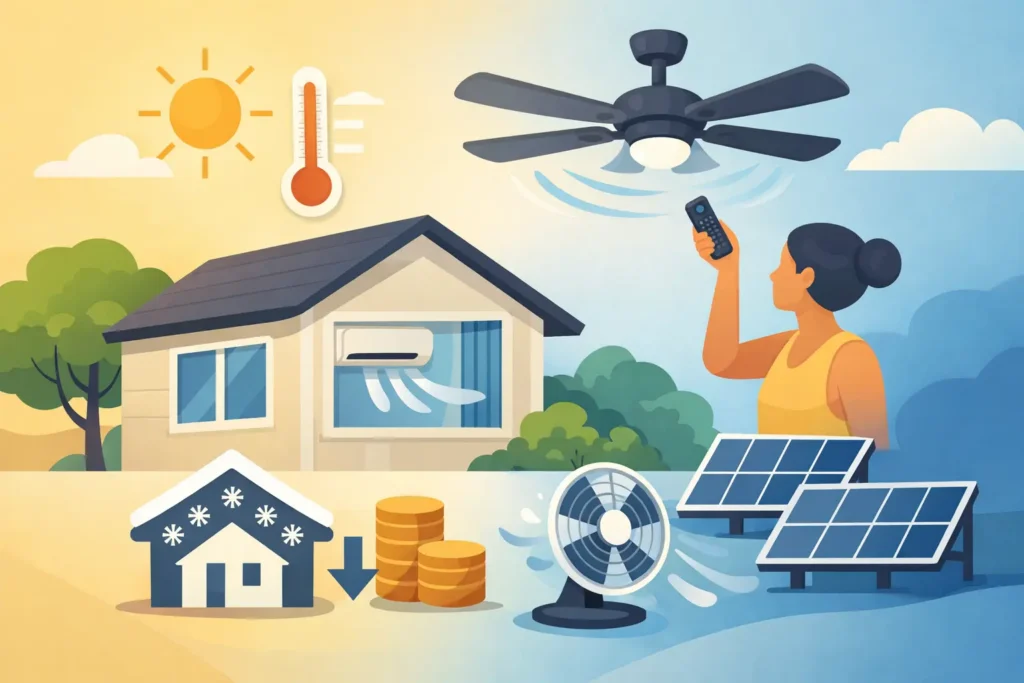
A South Carolina summer can turn a small comfort issue into an expensive monthly utility bill fast. If you are wondering how to lower summer cooling bills, the answer is rarely one dramatic change. It is usually a combination of smart thermostat habits, good airflow, a well-maintained system, and timely repairs before your AC has to work overtime.
The goal is not to make your home uncomfortably warm just to save money. It is to reduce wasted cooling while keeping every room as comfortable as possible when the heat and humidity settle over Mount Pleasant and Charleston.
How to Lower Summer Cooling Bills Without Sacrificing Comfort
Start with the settings you control every day. Your thermostat has a direct effect on run time, but constantly adjusting it up and down can work against your system. Pick a reasonable temperature for when the house is occupied, then use a schedule that lets the temperature rise slightly when everyone is out or asleep.
Many homeowners find that 78 degrees is a practical starting point in summer, particularly when ceiling fans are running. That number is not a rule for every household. A home with infants, older adults, medical needs, or a naturally warmer second floor may need a different setting. The key is to avoid setting the thermostat much lower than necessary in hopes of cooling the home faster. Your air conditioner cools at the same rate either way. A lower setting simply tells it to run longer.
A programmable or smart thermostat can make this easier. Set a schedule around your household’s actual routine, not an idealized one. If the home is empty from 8 a.m. to 4 p.m., allowing the temperature to rise a few degrees during that period can reduce unnecessary runtime. Program the system to begin cooling before people return, rather than making it catch up during the hottest part of the afternoon.
Keep Air Moving Where You Need It
Your AC cannot cool a room efficiently if conditioned air cannot circulate. Start with the simple things: keep supply vents open, move furniture away from return grilles, and make sure curtains or rugs are not blocking airflow. Closing vents in unused rooms may seem like a money-saving move, but most central HVAC systems are designed to condition the whole home. Closing too many vents can raise duct pressure, restrict airflow, and place additional strain on the equipment.
Ceiling fans are also worth using correctly. In summer, they should rotate counterclockwise to create a downward breeze. A fan does not lower the room’s temperature, but it helps people feel cooler, which may allow you to raise the thermostat slightly. Turn fans off when the room is empty. Otherwise, they add electricity use without improving comfort.
If one area stays hot while the rest of the house feels fine, do not assume you need a new air conditioner. The issue could be an airflow restriction, a duct problem, poor insulation above that room, thermostat placement, or equipment that needs adjustment. A proper diagnosis is more useful than guessing – and often less expensive than a premature replacement.
Replace Filters and Protect Your System’s Airflow
A clogged air filter is one of the most common reasons an air conditioner works harder than it should. As the filter fills with dust, pet hair, and debris, less air moves across the indoor coil. That can reduce efficiency, weaken cooling, and in more severe cases contribute to a frozen coil or system shutdown.
Check your filter monthly during peak cooling season. Many homes need a replacement every one to three months, though the right interval depends on filter type, pets, allergies, renovation dust, and how often the system runs. A high-efficiency filter can be helpful for indoor air quality, but it must be compatible with your system. Using an overly restrictive filter may limit airflow rather than improve performance.
The outdoor unit also needs room to breathe. Keep leaves, pine straw, grass clippings, and stored items away from the condenser. Trim vegetation back so air can move freely around it. Do not cover the unit while it is operating, and avoid spraying it with a high-pressure washer, which can damage the delicate fins.
Stop Heat Before It Reaches Your Living Space
Cooling costs are not only about the AC unit. Every bit of heat that enters the home becomes heat your system has to remove. In coastal South Carolina, sunlight, attic heat, and humid outdoor air can add up quickly.
Close blinds or curtains on sun-facing windows during the afternoon, especially in rooms with large glass doors or west-facing windows. Solar shades, lined curtains, and exterior shading can make a noticeable difference in rooms that receive direct sun. This is particularly useful in upstairs bedrooms, where heat often collects.
Check for air leaks around windows, exterior doors, attic access points, plumbing penetrations, and recessed lighting. Small gaps allow cool air to escape and humid outdoor air to enter. Weatherstripping and caulk are modest upgrades, but they can help your HVAC system maintain temperature more steadily.
Attic insulation deserves attention, too. An under-insulated attic can transfer intense heat into the living space for hours after the sun goes down. If your upstairs rooms are consistently hot, insulation and attic ventilation may be part of the solution. The right fix depends on the home, so it is worth evaluating the whole comfort picture rather than treating the thermostat as the only answer.
Schedule Maintenance Before a Small Problem Gets Expensive
A system that still turns on is not always operating efficiently. Dirty coils, low refrigerant caused by a leak, worn electrical components, drainage issues, and weak capacitors can all increase runtime and cooling costs. Left alone, those issues can also lead to a breakdown on the hottest day of the year.
Professional maintenance gives a technician the opportunity to inspect key components, clean areas that affect performance, verify safe operation, and identify repairs while they are still manageable. It also helps preserve system life. For homeowners who want to avoid being pushed toward replacement before it is necessary, regular maintenance provides useful information about the condition of the equipment and what repairs make practical sense.
Pay attention to changes in normal operation. Warm air from vents, weak airflow, short cycling, ice on refrigerant lines, unusual noises, water near the indoor unit, or a sudden jump in utility costs all deserve a closer look. Waiting for complete failure can turn a straightforward repair into an emergency call and leave your home uncomfortable in the meantime.
Use Appliances and Humidity Control Wisely
Your air conditioner removes some humidity as it cools, but summer moisture can still make a home feel sticky even when the thermostat is set low. When indoor humidity remains high, homeowners often lower the temperature further, which increases energy use without fully solving the comfort issue.
Run bathroom exhaust fans during showers and kitchen exhaust when cooking, but do not leave them running for long periods afterward. They remove humid air, yet they can also pull conditioned air out of the home. If certain rooms feel persistently damp, a properly sized dehumidifier or HVAC assessment may be more effective than dropping the thermostat several degrees.
It also helps to limit indoor heat during peak afternoon hours. Use the grill when practical, delay heat-producing chores such as drying clothes until evening, and make sure dryer vents discharge outdoors. These small adjustments will not replace HVAC maintenance, but they reduce the cooling load when your system is already working hardest.
Know When an Upgrade Makes Sense
Not every high bill means you need a new system. A repair, airflow correction, duct sealing, thermostat adjustment, or maintenance visit may restore performance at a far lower cost. That is why accurate diagnostics matter.
Still, age and condition matter. If an older system needs frequent repairs, struggles to maintain comfort, or uses far more energy than it should, replacement can be worth considering. A correctly sized modern system may lower operating costs, but bigger is not automatically better. Oversized equipment can cycle on and off too often, leaving humidity behind and creating uneven comfort. The right recommendation should account for your home’s size, insulation, ductwork, window exposure, and household needs.
If your cooling bill has climbed without a clear reason, do not wait for the next heat wave to find out why. A qualified local HVAC technician can identify whether the issue is maintenance, repair, airflow, or equipment performance – and help you make a practical decision that protects both your comfort and your budget.