A system that ran quietly last summer can become the reason for a stressful service call when Mount Pleasant humidity returns. Understanding your HVAC system lifespan helps you plan ahead, protect your comfort, and make a clear decision when a repair estimate arrives. The right answer is rarely based on age alone. Maintenance history, coastal conditions, repair needs, and system performance all matter.
For many homeowners, the goal is not to replace equipment at the first sign of trouble. A well-diagnosed repair can often restore dependable operation and give an existing system more useful years. At the same time, there is a point when continuing to repair an aging unit costs more in money, comfort, and peace of mind than replacement would.
Average HVAC System Lifespan by Equipment Type
Most central air conditioners last about 12 to 15 years. Heat pumps commonly last 10 to 15 years because they work for both cooling and heating throughout the year. Furnaces may last 15 to 20 years, depending on the equipment type, installation quality, and maintenance it receives.
Those are useful planning ranges, not expiration dates. Some systems fail earlier because of installation problems, neglected maintenance, refrigerant leaks, or frequent electrical issues. Others remain reliable beyond the average because they were sized correctly, serviced consistently, and not forced to operate under extreme strain.
In the Charleston area, cooling equipment often works harder and longer than it would in a milder climate. High humidity, extended summer heat, salt air near the coast, and seasonal storms all add wear. That does not mean every local system needs early replacement. It does mean routine care and accurate diagnostics carry more weight.
Why coastal conditions matter
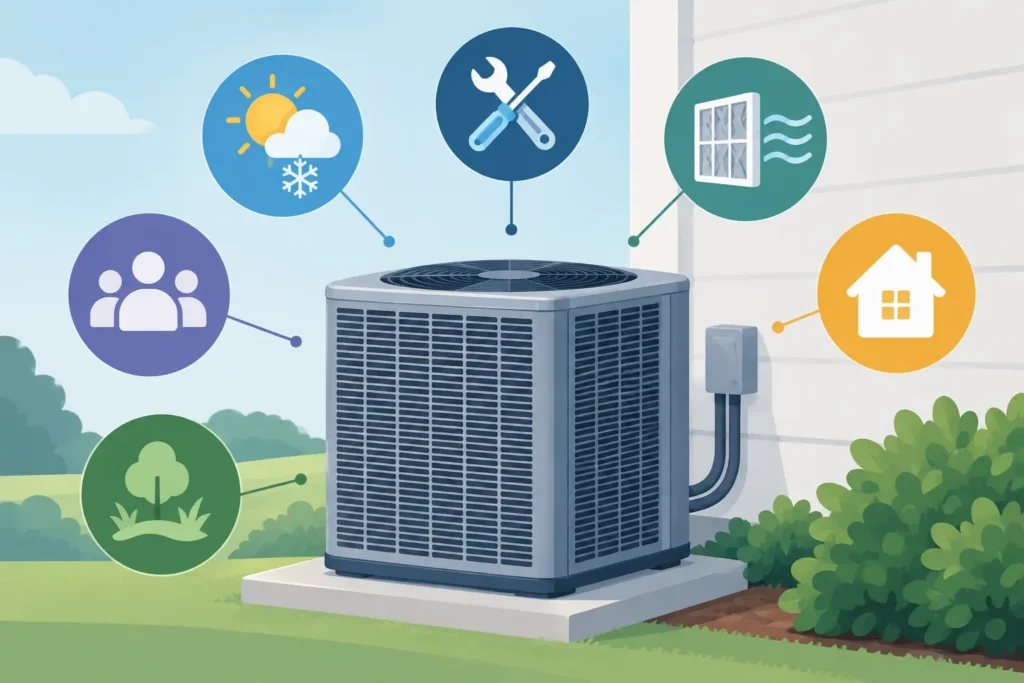
Outdoor units are built for the elements, but they are not immune to them. Salt in the air can contribute to corrosion on cabinet panels, coil fins, electrical connections, and other outdoor components. Leaves, pine straw, sand, and mulch can restrict airflow around the unit. Heavy rainfall can expose drainage issues that raise indoor humidity or cause water damage near the air handler.
A system near the coast benefits from regular inspection and cleaning. Catching corrosion, coil buildup, drainage problems, or weak electrical components early is often far less costly than waiting for a no-cooling emergency.
What Shortens an HVAC System Lifespan?
Equipment age is one factor, but day-to-day operating conditions usually tell the fuller story. An HVAC system that must run constantly to overcome poor airflow, duct leaks, or thermostat problems is under more stress than it should be.
Poor maintenance is a common cause of premature wear. A clogged filter restricts air movement, which can make the blower work harder and contribute to frozen coils or overheating. Dirty indoor and outdoor coils reduce heat transfer, so the system must run longer to reach the set temperature. Over time, that extra runtime puts pressure on major components.
Incorrect installation can also take years off a system’s service life. An oversized air conditioner may cool quickly but shut off before removing enough humidity. An undersized system may run for long stretches without keeping up. Improper refrigerant charge, inadequate ductwork, poor drainage, and electrical issues can create ongoing performance problems that are easy to miss without a thorough evaluation.
Homeowner habits play a part as well. Closing too many supply vents, blocking return vents with furniture, skipping filter changes, or setting the thermostat to extreme temperatures can all affect airflow and runtime. None of these choices automatically ruins a system, but together they can make it work harder than necessary.
How to Extend HVAC System Lifespan
The most effective way to help equipment last is simple: maintain it before it breaks down. Preventative service gives a technician a chance to identify small issues while they are still manageable. It also helps keep the system operating efficiently through the seasons when your home depends on it most.
A professional tune-up should include more than a quick look at the outdoor unit. The technician should inspect key electrical components, check refrigerant performance, clean components as needed, verify safe operation, assess airflow, and inspect the condensate drainage system. For heating equipment, safety checks are especially important before cooler weather arrives.
Between visits, homeowners can make a meaningful difference. Check the air filter regularly and replace it according to the filter type, household conditions, and manufacturer guidance. Homes with pets, renovations, or higher dust levels may need more frequent changes. Keep the area around the outdoor unit clear of vegetation and debris, leaving room for proper airflow.
Pay attention to changes in normal operation. A new rattling sound, warm air from vents, uneven room temperatures, short cycling, rising utility bills, or water around the indoor unit are all reasons to schedule service. Waiting until the system stops completely can turn a straightforward repair into a more urgent and expensive problem.
Do smart thermostats help?
A properly installed smart thermostat can support system longevity by avoiding unnecessary runtime and maintaining consistent schedules. It is not a cure for mechanical or airflow problems, however. If your system struggles to hold temperature, runs constantly, or has uneven comfort from room to room, the solution may involve the equipment, ductwork, insulation, or humidity control rather than a thermostat setting.
When Is Repair Better Than Replacement?
A repair is often the sensible choice when the system is still within a reasonable age range, has been dependable overall, and needs a targeted fix. Capacitors, contactors, motors, sensors, drainage components, and some electrical parts can fail without meaning the entire HVAC system is near the end. A qualified technician should explain the problem, the repair options, and what the repair means for expected reliability.
Replacement deserves serious consideration when a system is near or beyond its typical service range and needs a major repair. A failed compressor, leaking coil, recurring refrigerant issue, or repeated breakdowns can change the math quickly. If repair costs keep returning while comfort and efficiency decline, putting more money into older equipment may not be the cost-conscious option.
The decision also depends on refrigerant type, energy use, and your plans for the home. Older systems may use refrigerant that is more difficult and expensive to source. Newer equipment can improve efficiency and humidity control, but higher efficiency does not automatically justify replacement if an existing system is otherwise sound. The best recommendation considers your actual repair history, budget, comfort needs, and the condition of the complete system.
Signs Your HVAC System Is Nearing the End
An older system does not need replacing just because it has reached a certain birthday. Still, certain patterns should prompt a professional assessment:
- Repairs are becoming more frequent or involve increasingly expensive parts.
- Your home has hot and cold spots, persistent humidity, or weak airflow.
- The system runs longer than it used to, yet comfort has declined.
- Energy bills rise without a clear change in household use or utility rates.
- The equipment makes unusual noises, trips breakers, or leaks water repeatedly.
- Your technician finds major corrosion, compressor trouble, or refrigerant concerns.
These signs do not always point to replacement. Duct repairs, drainage corrections, thermostat adjustments, or a focused equipment repair may solve the problem. The value of an experienced diagnostic visit is knowing which issue you actually have before committing to a major expense.
Plan Before the Emergency Call
The best time to think about replacement is usually before a summer breakdown leaves you without cooling. If your equipment is approaching the upper end of its expected life, ask for an honest condition assessment during routine maintenance. You can learn what is working well, what may need attention soon, and whether it makes sense to budget for a future installation.
For homeowners in Mount Pleasant and Charleston, that planning is particularly helpful before the hottest, most humid stretch of the year. A system that is serviced, clean, and operating correctly has a better chance of carrying your household through demanding weather. If a repair is needed, prompt service can prevent further damage and reduce the chance of a complete failure.
Mt Pleasant Heating & Air approaches aging equipment with practical judgment: repair what can be reliably repaired, and recommend replacement only when it offers the better long-term path. Your HVAC equipment does not need to be new to be dependable. It needs the right attention at the right time, so your home stays comfortable when you need it most.