


Call Us

(843) 714-0863

Address

1400 Midtown Ave Ste 401, Mt. Pleasant, SC 29464

Mon–Sun

24/7

Edit Template

September 2026

Strange HVAC Noises? What They Mean

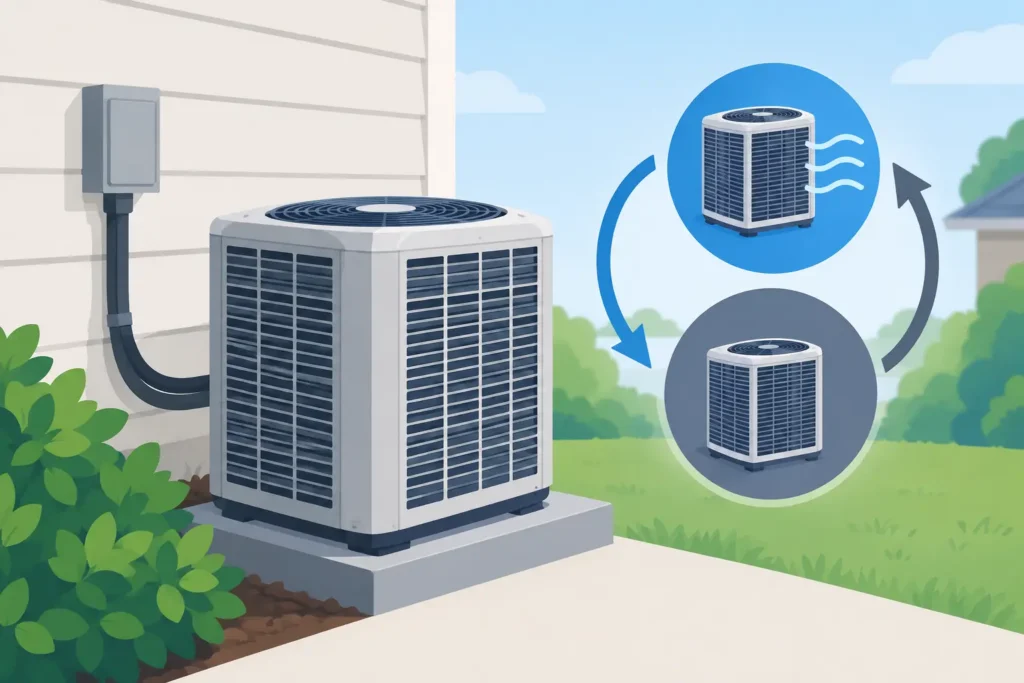
Home HVAC Problems Strange HVAC Noises? What They Mean Mount Pleasant Heating & Air Conditioning · HVAC Troubleshooting Strange HVAC Noises? What They Mean New buzzing, rattling, grinding, or banging sounds from your HVAC system are worth paying attention to — especially when comfort has changed too. Different noises point to different problems. Here is what they usually mean. Call (843) 714-0863Request Service 24/7 emergency serviceLicensed, bonded & insuredBackground-checked techs 24/7 Emergency ServiceCooling and heating emergencies, day or night Quick Answer Strange HVAC noises usually point to a specific cause: buzzing often means an electrical problem or a failing capacitor, rattling can mean loose parts or debris, grinding usually means a failing motor or bearing, and banging can mean refrigerant or a compressor problem. Turn the system off for grinding, screeching, or banging, and call a technician — the sooner, the cheaper the repair. Common Causes What Usually Causes This Problem Most of these problems come from a handful of causes. Each one links to the service that fixes it. Buzzing or Humming Often electrical: a failing capacitor, a contactor, or a loose wire. A hum with a non-starting system is a classic capacitor symptom. AC tripping the breaker › Rattling or Clicking Loose panels, debris in the outdoor unit, or a loose component. Clicking can also be a failing relay or contactor. Grinding or Screeching Usually a failing motor or bearing — the blower motor, condenser fan motor, or compressor. This needs prompt attention. Banging or Clanking Can indicate a failing compressor, loose parts, or refrigerant slugging. Serious enough to turn the system off and call. Hissing or Whistling Hissing can mean a refrigerant leak or a duct leak; whistling often means restricted airflow through ducts or a dirty filter. How to spot refrigerant leaks › Gurgling or Water Sounds Usually a condensate drain issue — a clogged or improperly sloped drain line. Condensate drain clogs › Try These First What You Can Check Yourself Safe, free checks you can do in a few minutes before deciding whether to call. 1 Identify the Noise Note what it sounds like, where it comes from (indoor unit, outdoor unit, ducts), and when it happens (start-up, running, shutdown). 2 Check for Debris Leaves, twigs, or grass in the outdoor unit can rattle. Clear debris around the unit — it is a quick and safe check. 3 Tighten What You Can See Loose panels and covers cause rattling. Only touch what is safe — never open electrical or refrigerant compartments. 4 Replace a Dirty Filter Whistling or whooshing from weak airflow often clears with a fresh filter and open registers. 5 Turn Off for Serious Sounds Grinding, screeching, banging, or a loud hum with no start — turn the system off and call. Running it can cause more damage. 6 Call a Technician Electrical, motor, compressor, and refrigerant noises need professional diagnosis. Early attention is almost always cheaper. Get It Fixed Get It Fixed by a Pro If the checks above did not solve it, stop guessing. A licensed technician will diagnose the real cause, explain your options, and give you the price before any work begins. AC & Heating RepairCall (843) 714-0863 Related Problems More HVAC Troubleshooting Guides Diagnose other common Mount Pleasant HVAC problems with the same plain-language approach. AC Tripping the Breaker Electrical noises and breaker trips often come from the same components. Read the guide How to Spot Refrigerant Leaks A hissing sound can be a refrigerant leak — here is what to check. Read the guide AC Short Cycling Unusual sounds combined with rapid on-off cycling need attention. Read the guide Condensate Drain Clogs Gurgling or water sounds usually mean a drain problem. Read the guide Common Questions Straight Answers Quick, honest answers to the questions we hear most from Mount Pleasant homeowners. Is a buzzing sound from my AC dangerous? Buzzing is often a failing capacitor or contactor — electrical components. It is not immediately dangerous, but it can leave you without cooling, and continued running can damage the compressor. Have it checked promptly. Why does my AC make a grinding noise when it starts? A grinding noise at start-up usually means a failing motor or bearing, or a compressor that is struggling. Turn the system off and call a technician — running it can turn a small repair into a big one. What does a hissing sound from my AC mean? Hissing often indicates a refrigerant leak, which requires a licensed technician to find and repair. It can also come from air escaping a duct leak. Are strange HVAC noises always serious? Not always — debris in the outdoor unit or a loose panel can rattle harmlessly. But grinding, banging, hissing, and loud buzzing should be checked, especially if comfort has changed too. Still have a question? Call (843) 714-0863. Ready to Get Comfortable Again? Call (843) 714-0863 or request service online. We are available 24/7 for emergencies and offer same-day appointments when available. Call (843) 714-0863Request Service 24/7 emergency service · same-day appointments when available Call (843) 714-0863

Strange HVAC Noises? What They Mean Read More »

Weak Airflow from Vents? Causes and Fixes

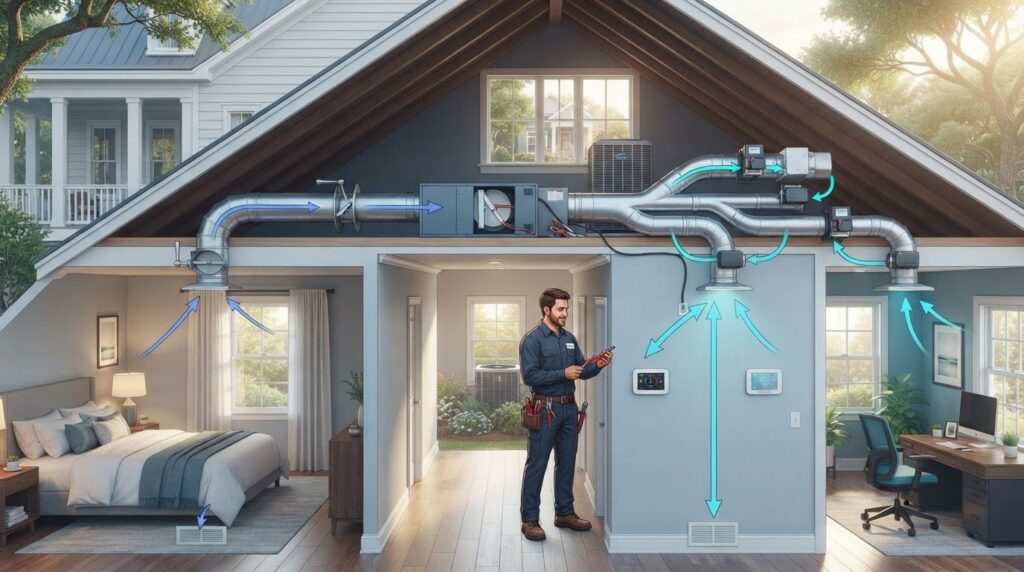
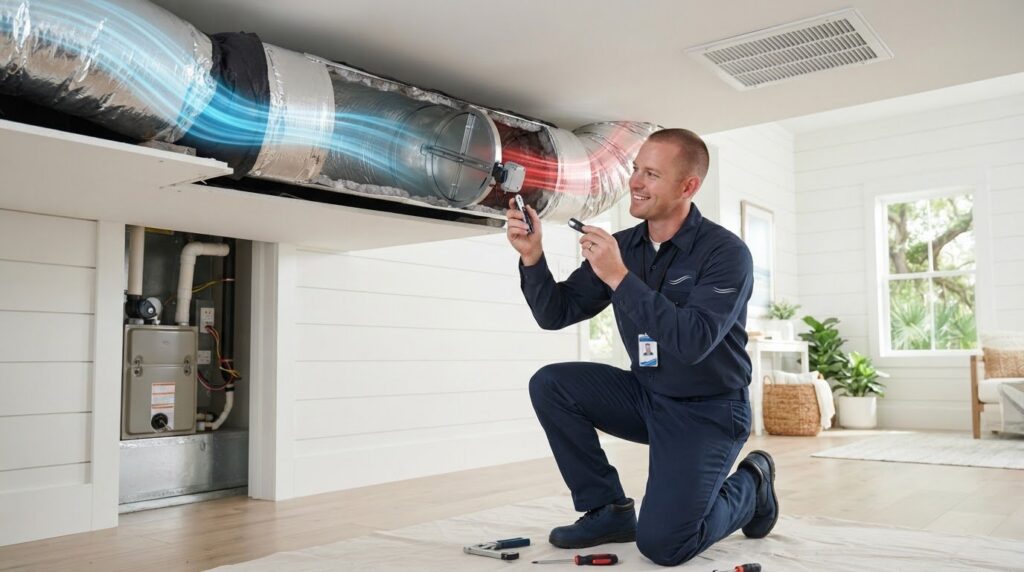
Home HVAC Problems Weak Airflow from Vents? Causes & Fixes Mount Pleasant Heating & Air Conditioning · HVAC Troubleshooting Weak Airflow from Vents? Causes & Fixes Air coming out of the vents but too weak to cool or heat the room is usually an airflow problem — a filter, a duct, a register, or a blower. Most of these are easy to check, and some are easy to fix yourself. Call (843) 714-0863Request Service 24/7 emergency serviceLicensed, bonded & insuredBackground-checked techs 24/7 Emergency ServiceCooling and heating emergencies, day or night Quick Answer Weak airflow from your vents is usually caused by a dirty air filter, a closed or blocked register, a collapsed or undersized duct, a frozen coil, or a blower that is not moving enough air. Start by replacing the filter and opening all registers; if airflow is still weak, the cause is likely in the ductwork or blower — which a technician should inspect. Common Causes What Usually Causes This Problem Most of these problems come from a handful of causes. Each one links to the service that fixes it. Dirty Air Filter The most common cause by far. A clogged filter restricts the air the blower can pull through the system, so every vent feels weak. Closed or Blocked Registers A register that is closed, or blocked by furniture, furniture legs, or a rug, kills airflow in that room. Collapsed or Pinched Ductwork Flexible duct that is crushed, pinched, or disconnected starves rooms of air. Common in attics and crawlspaces. Frozen Coil Ice on the indoor coil blocks airflow and can leave the system blowing weak, warm air. AC blowing warm air › Blower Problem A blower motor that is slowing down, a dirty blower wheel, or a failing capacitor reduces the air the system can push. Undersized or Leaky Ducts Ducts that are too small for the system, or leaky joints in the attic, waste airflow before it reaches your rooms. Try These First What You Can Check Yourself Safe, free checks you can do in a few minutes before deciding whether to call. 1 Replace the Air Filter The cheapest and most common fix. A clean filter restores airflow throughout the house. 2 Open Every Register Check each vent — if any are closed or blocked by furniture, open them and clear the space. 3 Check for Ice If the coil is frozen, turn the system off, let it thaw, and replace the filter before restarting. 4 Feel Each Vent Weak airflow in one room but strong in others points to a duct or register issue in that room. 5 Check the Blower Access If you can safely reach it, make sure the blower compartment is clean and the filter slot is fully sealed. 6 Call for a Duct and Blower Check Weak airflow in multiple rooms usually means ductwork or blower trouble — a technician can measure and find it. Get It Fixed Get It Fixed by a Pro If the checks above did not solve it, stop guessing. A licensed technician will diagnose the real cause, explain your options, and give you the price before any work begins. AC Repair in Mount PleasantCall (843) 714-0863 Related Problems More HVAC Troubleshooting Guides Diagnose other common Mount Pleasant HVAC problems with the same plain-language approach. AC Blowing Warm Air Weak, warm airflow often shares the same root causes as warm air itself. Read the guide Uneven Cooling One room comfortable, another too warm — airflow and ductwork at play. Read the guide AC Short Cycling Restricted airflow can trigger the safety shutdowns behind short cycling. Read the guide Why Is My Upstairs Hotter? A common complaint that is often an airflow and ductwork issue. Read the guide Common Questions Straight Answers Quick, honest answers to the questions we hear most from Mount Pleasant homeowners. Why is airflow weak from my vents even with a new filter? If the filter is fresh and airflow is still weak, the problem is likely in the ductwork (collapsed or undersized ducts), the blower, or a frozen coil. A technician can measure airflow and find the cause. Can closing vents in unused rooms help airflow elsewhere? Sometimes, but closing too many registers can strain the system and cause pressure problems. It is better to fix the underlying airflow issue than to compensate by closing vents. Why is airflow weak in only one room? That is almost always a register issue (closed or blocked), a collapsed flex duct to that room, or a disconnected duct run. Check the register first, then have the duct inspected. Does a dirty blower reduce airflow? Yes. Dust buildup on the blower wheel reduces how much air it can move. During a maintenance visit a technician cleans the blower and checks its performance. Still have a question? Call (843) 714-0863. Ready to Get Comfortable Again? Call (843) 714-0863 or request service online. We are available 24/7 for emergencies and offer same-day appointments when available. Call (843) 714-0863Request Service 24/7 emergency service · same-day appointments when available Call (843) 714-0863

Weak Airflow from Vents? Causes and Fixes Read More »