Call Us

(843) 714-0863

Address

1400 Midtown Ave Ste 401, Mt. Pleasant, SC 29464

Mon–Sun

24/7

Edit Template

Uncategorized

Strange HVAC Noises? What They Mean

Home HVAC Problems Strange HVAC Noises? What They Mean Mount Pleasant Heating & Air Conditioning · HVAC Troubleshooting Strange HVAC Noises? What They Mean New buzzing, rattling, grinding, or banging sounds from your HVAC system are worth paying attention to — especially when comfort has changed too. Different noises point to different problems. Here is what they usually mean. Call (843) 714-0863Request Service 24/7 emergency serviceLicensed, bonded & insuredBackground-checked techs 24/7 Emergency ServiceCooling and heating emergencies, day or night Quick Answer Strange HVAC noises usually point to a specific cause: buzzing often means an electrical problem or a failing capacitor, rattling can mean loose parts or debris, grinding usually means a failing motor or bearing, and banging can mean refrigerant or a compressor problem. Turn the system off for grinding, screeching, or banging, and call a technician — the sooner, the cheaper the repair. Common Causes What Usually Causes This Problem Most of these problems come from a handful of causes. Each one links to the service that fixes it. Buzzing or Humming Often electrical: a failing capacitor, a contactor, or a loose wire. A hum with a non-starting system is a classic capacitor symptom. AC tripping the breaker › Rattling or Clicking Loose panels, debris in the outdoor unit, or a loose component. Clicking can also be a failing relay or contactor. Grinding or Screeching Usually a failing motor or bearing — the blower motor, condenser fan motor, or compressor. This needs prompt attention. Banging or Clanking Can indicate a failing compressor, loose parts, or refrigerant slugging. Serious enough to turn the system off and call. Hissing or Whistling Hissing can mean a refrigerant leak or a duct leak; whistling often means restricted airflow through ducts or a dirty filter. How to spot refrigerant leaks › Gurgling or Water Sounds Usually a condensate drain issue — a clogged or improperly sloped drain line. Condensate drain clogs › Try These First What You Can Check Yourself Safe, free checks you can do in a few minutes before deciding whether to call. 1 Identify the Noise Note what it sounds like, where it comes from (indoor unit, outdoor unit, ducts), and when it happens (start-up, running, shutdown). 2 Check for Debris Leaves, twigs, or grass in the outdoor unit can rattle. Clear debris around the unit — it is a quick and safe check. 3 Tighten What You Can See Loose panels and covers cause rattling. Only touch what is safe — never open electrical or refrigerant compartments. 4 Replace a Dirty Filter Whistling or whooshing from weak airflow often clears with a fresh filter and open registers. 5 Turn Off for Serious Sounds Grinding, screeching, banging, or a loud hum with no start — turn the system off and call. Running it can cause more damage. 6 Call a Technician Electrical, motor, compressor, and refrigerant noises need professional diagnosis. Early attention is almost always cheaper. Get It Fixed Get It Fixed by a Pro If the checks above did not solve it, stop guessing. A licensed technician will diagnose the real cause, explain your options, and give you the price before any work begins. AC & Heating RepairCall (843) 714-0863 Related Problems More HVAC Troubleshooting Guides Diagnose other common Mount Pleasant HVAC problems with the same plain-language approach. AC Tripping the Breaker Electrical noises and breaker trips often come from the same components. Read the guide How to Spot Refrigerant Leaks A hissing sound can be a refrigerant leak — here is what to check. Read the guide AC Short Cycling Unusual sounds combined with rapid on-off cycling need attention. Read the guide Condensate Drain Clogs Gurgling or water sounds usually mean a drain problem. Read the guide Common Questions Straight Answers Quick, honest answers to the questions we hear most from Mount Pleasant homeowners. Is a buzzing sound from my AC dangerous? Buzzing is often a failing capacitor or contactor — electrical components. It is not immediately dangerous, but it can leave you without cooling, and continued running can damage the compressor. Have it checked promptly. Why does my AC make a grinding noise when it starts? A grinding noise at start-up usually means a failing motor or bearing, or a compressor that is struggling. Turn the system off and call a technician — running it can turn a small repair into a big one. What does a hissing sound from my AC mean? Hissing often indicates a refrigerant leak, which requires a licensed technician to find and repair. It can also come from air escaping a duct leak. Are strange HVAC noises always serious? Not always — debris in the outdoor unit or a loose panel can rattle harmlessly. But grinding, banging, hissing, and loud buzzing should be checked, especially if comfort has changed too. Still have a question? Call (843) 714-0863. Ready to Get Comfortable Again? Call (843) 714-0863 or request service online. We are available 24/7 for emergencies and offer same-day appointments when available. Call (843) 714-0863Request Service 24/7 emergency service · same-day appointments when available Call (843) 714-0863

Strange HVAC Noises? What They Mean Read More »

Weak Airflow from Vents? Causes and Fixes

Home HVAC Problems Weak Airflow from Vents? Causes & Fixes Mount Pleasant Heating & Air Conditioning · HVAC Troubleshooting Weak Airflow from Vents? Causes & Fixes Air coming out of the vents but too weak to cool or heat the room is usually an airflow problem — a filter, a duct, a register, or a blower. Most of these are easy to check, and some are easy to fix yourself. Call (843) 714-0863Request Service 24/7 emergency serviceLicensed, bonded & insuredBackground-checked techs 24/7 Emergency ServiceCooling and heating emergencies, day or night Quick Answer Weak airflow from your vents is usually caused by a dirty air filter, a closed or blocked register, a collapsed or undersized duct, a frozen coil, or a blower that is not moving enough air. Start by replacing the filter and opening all registers; if airflow is still weak, the cause is likely in the ductwork or blower — which a technician should inspect. Common Causes What Usually Causes This Problem Most of these problems come from a handful of causes. Each one links to the service that fixes it. Dirty Air Filter The most common cause by far. A clogged filter restricts the air the blower can pull through the system, so every vent feels weak. Closed or Blocked Registers A register that is closed, or blocked by furniture, furniture legs, or a rug, kills airflow in that room. Collapsed or Pinched Ductwork Flexible duct that is crushed, pinched, or disconnected starves rooms of air. Common in attics and crawlspaces. Frozen Coil Ice on the indoor coil blocks airflow and can leave the system blowing weak, warm air. AC blowing warm air › Blower Problem A blower motor that is slowing down, a dirty blower wheel, or a failing capacitor reduces the air the system can push. Undersized or Leaky Ducts Ducts that are too small for the system, or leaky joints in the attic, waste airflow before it reaches your rooms. Try These First What You Can Check Yourself Safe, free checks you can do in a few minutes before deciding whether to call. 1 Replace the Air Filter The cheapest and most common fix. A clean filter restores airflow throughout the house. 2 Open Every Register Check each vent — if any are closed or blocked by furniture, open them and clear the space. 3 Check for Ice If the coil is frozen, turn the system off, let it thaw, and replace the filter before restarting. 4 Feel Each Vent Weak airflow in one room but strong in others points to a duct or register issue in that room. 5 Check the Blower Access If you can safely reach it, make sure the blower compartment is clean and the filter slot is fully sealed. 6 Call for a Duct and Blower Check Weak airflow in multiple rooms usually means ductwork or blower trouble — a technician can measure and find it. Get It Fixed Get It Fixed by a Pro If the checks above did not solve it, stop guessing. A licensed technician will diagnose the real cause, explain your options, and give you the price before any work begins. AC Repair in Mount PleasantCall (843) 714-0863 Related Problems More HVAC Troubleshooting Guides Diagnose other common Mount Pleasant HVAC problems with the same plain-language approach. AC Blowing Warm Air Weak, warm airflow often shares the same root causes as warm air itself. Read the guide Uneven Cooling One room comfortable, another too warm — airflow and ductwork at play. Read the guide AC Short Cycling Restricted airflow can trigger the safety shutdowns behind short cycling. Read the guide Why Is My Upstairs Hotter? A common complaint that is often an airflow and ductwork issue. Read the guide Common Questions Straight Answers Quick, honest answers to the questions we hear most from Mount Pleasant homeowners. Why is airflow weak from my vents even with a new filter? If the filter is fresh and airflow is still weak, the problem is likely in the ductwork (collapsed or undersized ducts), the blower, or a frozen coil. A technician can measure airflow and find the cause. Can closing vents in unused rooms help airflow elsewhere? Sometimes, but closing too many registers can strain the system and cause pressure problems. It is better to fix the underlying airflow issue than to compensate by closing vents. Why is airflow weak in only one room? That is almost always a register issue (closed or blocked), a collapsed flex duct to that room, or a disconnected duct run. Check the register first, then have the duct inspected. Does a dirty blower reduce airflow? Yes. Dust buildup on the blower wheel reduces how much air it can move. During a maintenance visit a technician cleans the blower and checks its performance. Still have a question? Call (843) 714-0863. Ready to Get Comfortable Again? Call (843) 714-0863 or request service online. We are available 24/7 for emergencies and offer same-day appointments when available. Call (843) 714-0863Request Service 24/7 emergency service · same-day appointments when available Call (843) 714-0863

Weak Airflow from Vents? Causes and Fixes Read More »

Why My Furnace is Not Blowing Hot Air?

Home HVAC Problems Furnace Not Blowing Hot Air? Guide Mount Pleasant Heating & Air Conditioning · Heating Troubleshooting Furnace Not Blowing Hot Air? Guide A furnace that runs but blows cold air, or a heater that will not produce heat at all — it is one of the most frustrating problems on a cold morning. Work through the fast checks below, then call a technician for anything involving gas, ignition, or electrical parts. Call (843) 714-0863Request Service 24/7 emergency serviceLicensed, bonded & insuredBackground-checked techs 24/7 Emergency ServiceCooling and heating emergencies, day or night Quick Answer If your furnace is not blowing hot air, start with the thermostat (make sure it is set to HEAT and above room temperature), replace a dirty filter, and confirm the furnace has power and fuel (gas valve on, breaker on). If it still blows cold, the cause is usually the igniter, flame sensor, thermocouple, gas supply, or a limit switch — those are technician repairs. Common Causes What Usually Causes This Problem Most of these problems come from a handful of causes. Each one links to the service that fixes it. Thermostat on the Wrong Setting A thermostat set to FAN or COOL, or set below room temperature, means the furnace runs the blower without calling for heat. Dirty Air Filter A clogged filter can starve the furnace of airflow, trigger a high-limit shutdown, and stop the burner. Igniter or Flame Sensor Failure The igniter lights the burners; the flame sensor confirms the flame. If either fails, the furnace runs but never heats. Gas Supply Off If the gas valve is closed or the pilot is out, the burners cannot fire. Only check the valve handle position — leave the rest to a pro. Tripped Limit Switch The limit switch shuts the burner off if the furnace overheats — often from restricted airflow or a dirty filter. Blower Motor or Belt Problem If the blower runs weak or not at all, warm air stays trapped in the furnace instead of reaching your rooms. Try These First What You Can Check Yourself Safe, free checks you can do in a few minutes before deciding whether to call. 1 Check the Thermostat Confirm the mode is HEAT and the setpoint is above room temperature. If it is a programmable thermostat, check the schedule. 2 Replace the Air Filter The most common fix. A clean filter restores airflow and clears many high-limit shutdowns. 3 Check Power and Fuel Confirm the furnace breaker is on and, for gas furnaces, that the gas valve handle is parallel to the pipe (open). 4 Look for a Reset Button Many furnaces have a reset button near the burner. If it is tripped, press it once — if it trips again, call a technician. 5 Listen for the Burner When the thermostat calls for heat, you should hear the burner fire within a minute or two. No flame means ignition trouble. 6 Check the Exhaust Snow, ice, or debris blocking the exhaust vent can shut the furnace down for safety. Keep vents clear. Get It Fixed Get It Fixed by a Pro If the checks above did not solve it, stop guessing. A licensed technician will diagnose the real cause, explain your options, and give you the price before any work begins. Heating & Furnace RepairCall (843) 714-0863 Related Problems More HVAC Troubleshooting Guides Diagnose other common Mount Pleasant HVAC problems with the same plain-language approach. Heat Pump Freezing Up The other common Lowcountry heating failure — ice on the outdoor unit. Read the guide Repair vs. Replacement When a furnace is old or failing, is repair or replacement the better call? Read the guide Thermostat Blank or Not Working A dead thermostat can stop the heat call before the furnace ever fires. Read the guide AC Blowing Warm Air The same check-this-first approach, applied to cooling. Read the guide Common Questions Straight Answers Quick, honest answers to the questions we hear most from Mount Pleasant homeowners. Why does my furnace run but blow cold air? The blower is running but the burner is not firing — usually the igniter, flame sensor, thermocouple, gas supply, or a tripped limit switch. Replace the filter and check the thermostat first; if the burner still will not fire, call a technician. Is it safe to relight my furnace pilot light myself? Many modern furnaces light electronically and have no standing pilot. If your furnace has a pilot and you are comfortable, follow the manufacturer instructions exactly; if it will not stay lit, stop and call a professional — a faulty flame sensor or gas valve is not a DIY fix. How often should I replace my furnace filter? A good rule is every 1–3 months depending on the filter type, household pets, and usage. A clogged filter is one of the most common causes of a furnace that runs without heating. Why does my furnace keep shutting off before the house is warm? That is usually a high-limit shutdown from restricted airflow (dirty filter, closed vents) or a failing limit switch. Check the filter and make sure all vents are open, then have the system inspected if it persists. Still have a question? Call (843) 714-0863. Ready to Get Comfortable Again? Call (843) 714-0863 or request service online. We are available 24/7 for emergencies and offer same-day appointments when available. Call (843) 714-0863Request Service 24/7 emergency service · same-day appointments when available Call (843) 714-0863 For a deeper look at ignition and flame sensor problems, see why a furnace blows cold air. If it’s still not heating, book furnace repair in Mount Pleasant.
Why My Furnace is Not Blowing Hot Air? Read More »

How a Heat Pump Works in Mount Pleasant Homes

Introduction: The Growing Importance of Heat Pumps Homeowners in Mount Pleasant, SC are increasingly relying on heat pumps for year-round comfort. These systems provide both heating and cooling, making them cost-effective and energy-efficient. But when problems occur, choosing the right repair service becomes essential. At Mt Pleasant HVAC, residents trust experienced technicians for reliable heat pump repair Mount Pleasant SC. With expert care and local knowledge, the team ensures your system continues to deliver comfort throughout the seasons. How Heat Pumps Work in Mount Pleasant Homes Unlike traditional HVAC systems, heat pumps don’t generate heat—they transfer it. In summer, they move heat outdoors to keep your home cool. In winter, they pull heat inside to warm your space. This dual functionality makes them efficient, but it also requires skilled technicians to manage any repairs or tune-ups. Whether you need heat pump repairs Mount Pleasant or preventive care, local expertise ensures your system is handled properly. Signs Your Heat Pump Needs Professional Repair Catching issues early saves time and money. Common warning signs include: If you notice these problems, scheduling a service with Mt Pleasant HVAC’s heat pump repair team is the smart move. Benefits of Choosing Professional Repair Services Attempting DIY repairs often causes more harm than good. Instead, professional services offer: By relying on trusted experts, homeowners gain peace of mind and lasting comfort. Common Heat Pump Issues in Mount Pleasant Homes Heat pumps are reliable, but they’re not completely problem-free. Over time, wear and tear or lack of maintenance can cause a variety of issues. The most common problems include: These challenges require prompt professional attention to prevent further damage. If your system is older and these problems occur often, it may be more cost-effective to consider heat pump replacement instead of continuing with frequent repairs. The Role of Heat Pump Installation and Replacement Sometimes, a repair isn’t enough. If your system is over 12–15 years old or repairs have become frequent, heat pump installation may be the better option. Newer systems are more energy-efficient and can save money over time. Mt Pleasant HVAC also offers ductless mini-split installations and electric heat pump Mount Pleasant solutions, helping homeowners choose the best system for their needs. For eco-conscious residents, exploring geothermal systems can be an excellent alternative for sustainable comfort. Why Local Expertise Matters in Mount Pleasant Mount Pleasant’s humid summers and mild winters place unique demands on HVAC systems. That’s why working with local experts is so valuable. The team at Mt Pleasant HVAC understands the climate and offers tailored solutions for both heat pump repairs Mount Pleasant and replacements. Their technicians ensure your home stays comfortable without driving up utility costs. Preventive Maintenance: Protecting Your Investment Preventive care is the key to avoiding costly repairs. By scheduling HVAC preventative maintenance, you can: Maintenance is the best way to maximize the benefits of your heat pump investment. How to Prepare for a Heat Pump Service Visit Getting ready for a service appointment can make the process smoother and save valuable time. Before technicians arrive, you can prepare by: Taking these simple steps allows professionals to complete repairs or replacements more efficiently and ensures nothing important is overlooked during the visit. Conclusion: Dependable Comfort with Mt Pleasant HVAC Your heat pump is one of the most important systems in your home, keeping you comfortable in every season. Whether you need fast heat pump repair Mount Pleasant SC, a new system installation, or ongoing maintenance, Mt Pleasant HVAC is the trusted choice. From central air conditioner installation to long-lasting heating and cooling solutions, their expert team provides dependable, affordable, and professional service. FAQs About Heat Pump Repair Services 1. How long does a heat pump typically last? Most last 12–15 years with regular maintenance. 2. Should I repair or replace my heat pump? If repairs are frequent or your system is old, replacement is more cost-effective. 3. How often should I schedule maintenance? At least once a year, but ideally twice for maximum efficiency. 4. Can Mt Pleasant HVAC install new systems? Yes, they provide expert installation, including electric heat pump Mount Pleasant solutions.5. Are geothermal heat pumps worth it? Yes, they’re energy-efficient and eco-friendly, though the upfront cost is higher. Thinking about a new system? Read our guide to choosing a heat pump for a Charleston-area home. For repairs, see our heat pump repair service. Need a hand with this? Mount Pleasant Heating & Air Conditioning has served Lowcountry homes and businesses since 2007, with 24/7 emergency service. Call (843) 714-0863 or request service online. Related service: heat pump repair.

How a Heat Pump Works in Mount Pleasant Homes Read More »

Heat Pump Low on Refrigerant? 5 Symptoms to Watch For

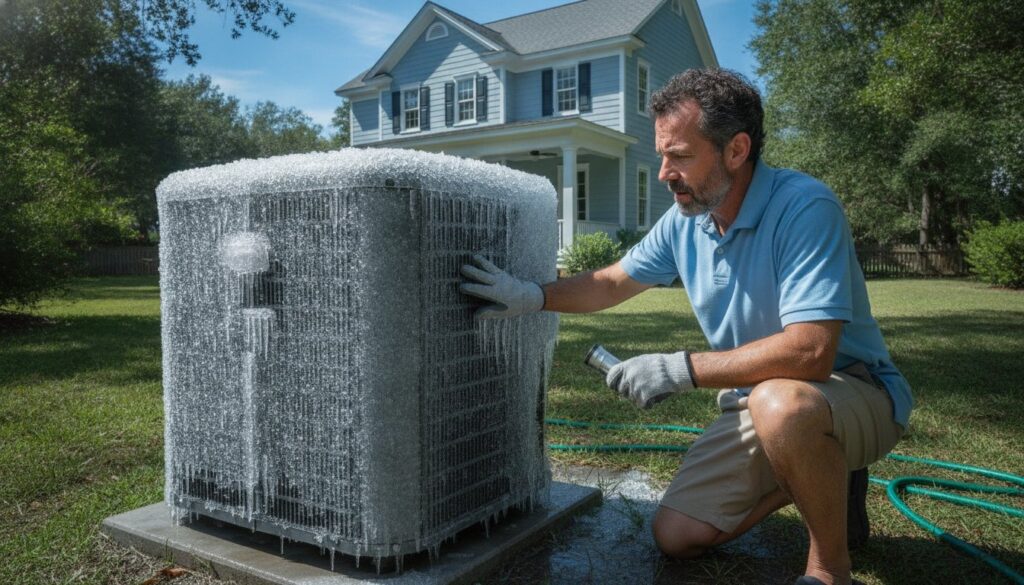
Is your place cold when it must be warm? Do you think something is wrong with your HVAC? There must be. Most probably, it has low refrigerant. It is a cooling fluid in the HVAC’s heat pump, keeping your place warm in winter and cool in summer. So, it is a big problem if it is inadequate. There are 5 low refrigerant symptoms you must notice and get fixed. Why Does the Refrigerant Get Low? Several reasons can make your heat pump low on refrigerant. Some may be: 5 Low Refrigerant Symptoms You Must Notice You can keep an eye out for these signs so you can remedy the issue asap. HVAC Turns On and Off Repeatedly It usually does that. However, it can switch on and off more than usual because of insufficient refrigerant. This is also called Short Cycling. It happens because low cooling fluid means: Low pressure for cooling means harder work for the heat pump. As a result, the system gets tired and shuts quickly. It can cause serious problems. Your system may shut down entirely if short cycling continues for a long time. So, you can either look for a leak or call an expert service to fix it for you. Hissing or Gurgling Sounds This low refrigerant symptom means two different types of problems. However, both can mean that the pump is leaking. Hissing means there is a gas leakage. The heat pump pressurizes the refrigerant to absorb and release heat. That pressure makes the cooling liquid escape through a leaking point as gas. On the other hand, gurgling means the liquid is leaking out. When the refrigerant leaks as a liquid, air bubbles form, making that sound. Ice Build-up Again, you can normally see it on your HVAC outer during the cold season. You must check if it does not melt within 30 minutes. Long-term ice build-up is one of the severe heat pump low refrigerant symptoms. It means there is insufficient refrigerant, which decreases the internal pressure of the pump. In turn, the liquid becomes so cold that it does not melt the ice. Your Place Isn’t Warm Enough That’s a serious low refrigerant symptom. Low warmth means uneven room temperature. Your heat pump helps the refrigerant to absorb heat from one place and release it into another. That’s how your place stays hot in chilly weather and cold in summer. You might keep increasing your HVAC’s temperature to no avail. You can pour soapy water on the heat pump to check if there is a leak instead. High Electric Bills It is the most unnerving of all the low refrigerant symptoms. Also, it is not because you run the HVAC for 12 hours daily. However, it can be if you run it longer than usual. If you get a high bill on your usual schedule, you should check the heat pump. Low refrigerant can make it work harder than usual, using more energy. As a result, your electricity uptake and bill increase. FAQs Does low refrigerant affect heat? Yes, it does. Your HVAC’s heat pump cannot properly absorb and release heat if the refrigerant is low, so it will warm your home later than it should. What causes low refrigerant temperature? A refrigerant leak can cause low temperatures due to corrosion or loose joints. Other common reasons can be a blockage in the evaporator coil, liquid line, or system pipe. If you think there is a problem, contact MT Pleasant Heating and Air Conditioning to get it checked. How do you detect refrigerant loss? You can detect refrigerant loss by looking thoroughly for low refrigerant symptoms like ice build-up, short cycling, or unusual sounds. You can use the Soap Bubble Test, too. Pour soapy water where you think there is a leak. You will see bubbles in case of a leakage. Alternatively, you can call an expert for a thorough system check. Conclusion You might notice a drop in room temperature or a rise in your electricity bill as low refrigerant symptoms. Leakage or dirt can make your HVAC’s heat pump low on this cooling liquid. Besides, you may hear odd sounds coming from the pump. Don’t slack. Call us at (843) 714-0863 to book the earliest visit. Low refrigerant means there’s a leak to find and repair. Book heat pump repair in Mount Pleasant, or see the signs of low refrigerant in an AC. Related guides: how to spot refrigerant leaks early and signs your AC is low on refrigerant. For professional help, see AC repair in Mount Pleasant.

Heat Pump Low on Refrigerant? 5 Symptoms to Watch For Read More »

Electric Furnace Not Blowing Hot Air

Electric furnaces are commonly used for heating, with 36% of households across the US relying on electricity for warmth. Electric furnace troubleshooting comes up when you encounter an issue with your furnace. However, not many people know exactly what fix is needed. If your furnace is not blowing hot air, this article will help you find simple fixes and explain the reasons behind this issue. Reasons Why Electric Furnace Not Blowing Hot Air Before going into the solution of an electric furnace not blowing hot air, you should be aware of all the reasons why this is happening. Here are some common causes: Thermostat Problems One major reason for an electric furnace not blowing hot air is a problem with the thermostat. The thermostat controls the furnace by telling it when to turn on and how much heat to produce. If the thermostat is set too low, the battery is damaged, or the thermostat malfunctions, the furnace may not produce enough heat or any heat at all. In places like Mount Pleasant, where winters become chilly, this issue will be much more noticeable when the furnace does not blow hot air. As a result, the house will not be able to maintain a comfortable temperature. Dirty or Clogged Air Filter Air filters that are dirty can also be a major reason your electric furnace not working properly. Dust and debris in the filter sometimes restrict airflow and make it difficult for the furnace to heat your home. This will most likely cause the furnace to overheat and then shut down as a safety measure, which will leave your home cold if electric furnace troubleshooting is not done. Blocked or Clogged Burner A blocked or clogged burner can prevent your electric furnace from blowing hot air. When dirt and debris build up on the burner, it interferes with its ability to produce heat effectively without proper furnace repair services. Faulty Ductwork Cracks and leaks in the ductwork can cause warm air from the electric furnace to escape before reaching your living space. When this happens, the heating efficiency decreases, and proper electric furnace troubleshooting will be needed. Electric Furnace Troubleshooting There are many reasons why your electric furnace isn’t blowing hot air, and each issue may need a specific fix. Proper electric furnace troubleshooting will be necessary to resolve the particular problem. Adjust Thermostat Settings First, make sure that the thermostat is set to “heat” and the fan is on “auto.” You may feel surprised, but this simple setting error can stop your furnace from blowing hot air. Inspect Air Filters Clogged filters block airflow and prevent warm air from circulating. This is why one electric furnace troubleshooting tip is to clean or replace your air filter after a thorough inspection. Check Air Vents A blocked or closed air vent will also affect heating. It is best to clean your air vents and check if they are clear of any obstruction. Test the Blower Motor If your blower motor is not working, the furnace will not push hot air through the vents. This is why a common electric furnace troubleshooting is to test and get the motor repaired regularly. FAQs How to reset an electric furnace? To reset an electric furnace, you must turn off the power at the circuit breaker, wait for a few minutes, and then turn it back on. If the electric furnace has a reset button, you can press it after restoring power. This will clear any error codes and restart the system. Why is my electric furnace blowing warm, not hot air? A dirty air filter, low thermostat settings, or issues with the heating elements can cause your furnace to produce only warm air. You should check your filter and thermostat settings before inspecting any other furnace part. What is the most common furnace failure? The most common furnace failures are malfunctioning thermostats or dirty filters. Both can prevent the furnace from heating properly and even shut down. Perform regular maintenance to avoid these issues.  MT Pleasant Furnace Repair Services Some electric furnace issues are complex and cannot be fixed independently, so you will require professional assistance. At MT Pleasant Heating & Air, we have a skilled team ready to handle all your furnace issues. You can even opt for a same-day service, as we are available 24/7 in the Mount Pleasant area. What are you waiting for? Book an appointment today and enjoy a cozy home with a perfectly functioning electric furnace. Have a gas furnace instead? See gas furnace not blowing hot air. For a repair, book furnace repair in Mount Pleasant.
Electric Furnace Not Blowing Hot Air Read More »